The alchemy of the ideal texture
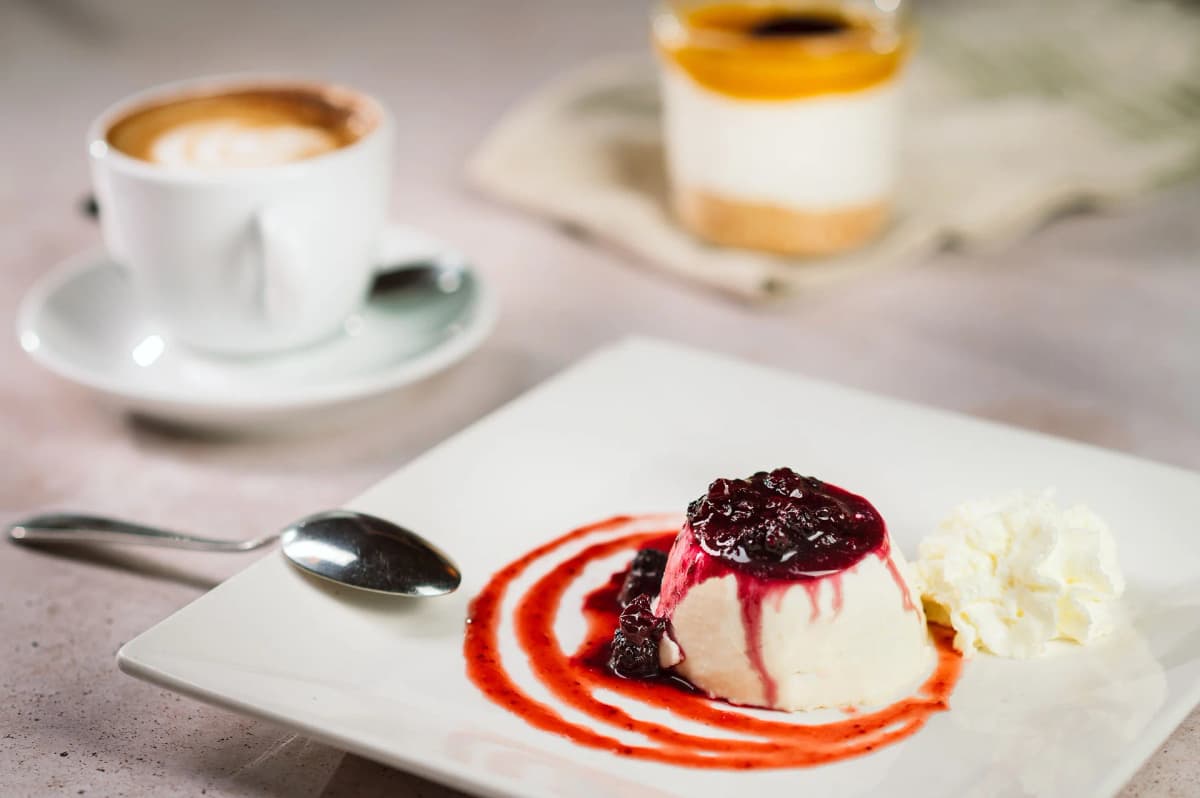
Unlike flans, puddings, or traditional custards, classic Panna Cotta completely omits the use of eggs. It does not seek the density of pastry cream or the setting of a yolk flan in a water bath. Its soft, velvety, and slightly wobbly structure is achieved through the slow infusion of high-quality fresh cream (with a fat content close to 35%) combined with cane sugar, a natural vanilla pod from Madagascar split lengthwise, and just the right amount of gelling agent.
The true secret lies in the infusion process: the cream should never reach a rolling boil. It is heated very slowly so that the vanilla releases its essential oils and woody notes without altering the milk proteins or burning the fat. This way, the cream retains its primary sweetness and clean aromatic profile.
The rule of balance: firm on the spoon, silky on the palate
The most common mistake in the domestic or commercial preparation of Panna Cotta is falling into the excess of gelatin (gelatin sheets). When more gelling agent than necessary is added to ensure that the mixture unmolds quickly, the dessert transforms into a gummy, rigid, and impenetrable mass that loses all its magic.
The authentic technique of Piedmont pastry chefs requires seeking the millimetric balance of gelling.
-
On the plate: The Panna Cotta should hold its own structure with a gentle sway when moving the plate.
-
When cut: The spoon should glide without resistance, offering a clean and shiny cut.
-
In the mouth: It should dissolve almost instantly with the body heat of the palate, releasing a creamy tide with deep notes of fresh cream and natural vanilla.
The acidic contrast: the role of berries
Due to its rich nature in fat and soft sugars, cooked cream needs a citrus counterpoint to awaken the palate. Serving Panna Cotta naked can feel heavy after the first bites; therefore, tradition accompanies it with a handmade coulis of fresh red fruits (a balanced combination of raspberries, blackberries, blueberries, and seasonal strawberries).
The berries are lightly sautéed with a few drops of lemon juice to activate their pectins and keep their natural acidity alive. This contrast is not only aesthetic thanks to the vibrant crimson color against the pure white of the cream but also deeply sensory: the sharp acidity of the raspberries and the freshness of the blueberries cut through the richness of the cream, cleansing the taste buds and making each bite feel as fresh as the first.
The sweet finale at ROSSINI
At the restaurant ROSSINI, under the historic porticos of Plaza Real in Barcelona, Panna Cotta is made daily in-house, respecting the artisanal Piedmontese guideline. Served in glass cups with a generous bath of selected berries, this dessert represents the perfect golden finale to culminate a romantic candlelit dinner or a family evening.
After enjoying a selection of homemade pastas or wood-fired pizzas, the tactile freshness of ROSSINI's Panna Cotta invites you to linger over dessert in the heart of the Gothic Quarter, offering a piece of Piedmont without leaving Barcelona.
