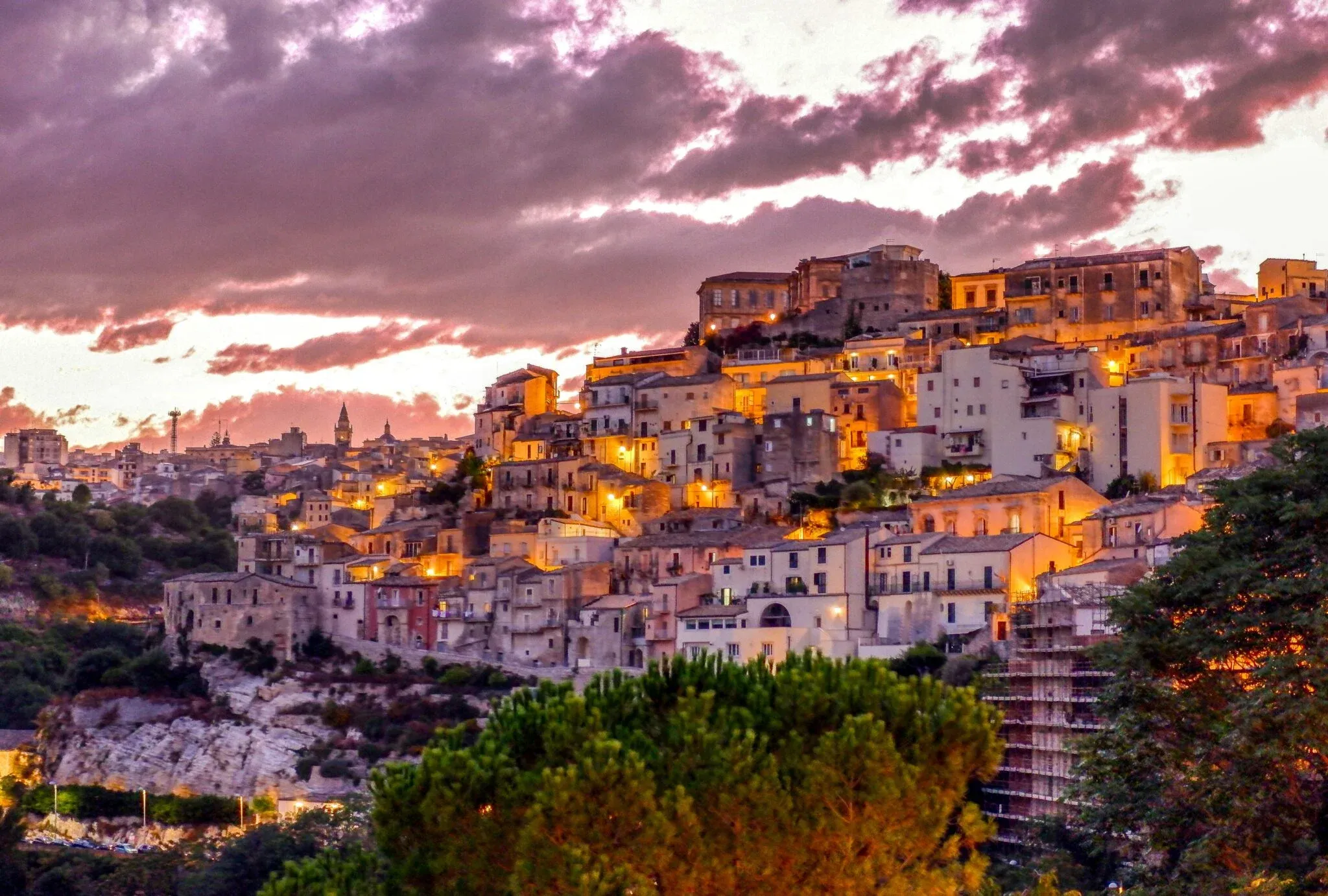
Sicily: History, Curiosities, and Gastronomy
Sicily is one of the Italian regions characterized by its historical, cultural, natural, and artistic legacy. Every corner of the island breathes a piece of its classical, medieval, or modern past through various manifestations that have been preserved over the centuries, bearing witness to Sicily’s vast multiculturalism.
For many travelers, Sicily is a Mediterranean gem to discover and experience the true Italo-Norman essence through its facets and people. A region that will conquer you... like no other before. In today’s article, we’ll share some surprising curiosities about Sicily that will help you uncover its fascinating history, its most important locations, its gastronomy, and its hidden secrets.
A Game of Three
Sicily is a natural region where you can find 3 of the world’s active volcanoes, the most iconic being Mount Etna, which today is one of the island’s main attractions, offering various excursions and tours.
As a curiosity, Sicily’s original name was “Trinacria” due to the triangular shape of the island, the three seas that flow around it, and the three volcanoes in the region. Sicily is currently the largest island in Italy and the Mediterranean, a triangular expanse where three different seas converge (Ionian, Tyrrhenian, and Mediterranean). Near the Strait of Messina lies the “isola delle correnti,” the place where the three seas meet.
The Sicilian Flag
This identity was created in 1282 to represent the Kingdom of Sicily. As you can see, it features the head of a woman accompanied by three legs, an emblem that previously existed as a Celtic symbol of good fortune known as the “triskel.”
According to experts’ interpretations, the woman’s head refers to Medusa, a humanoid creature similar to a woman who turned those who met her gaze into stone, while the legs symbolize the triangular shape of the island. This design is often accompanied by wings and ears of wheat to symbolize prosperity and the sun.
A Country with Many Accents
The Lombard language is considered an archaic 9th-century language endangered by UNESCO and is one of the island’s oldest variants that only elderly people can speak and read.
Although Italian is the official language of Sicily, many of its cities and towns speak more than 15 different dialects derived from Sicilian and linguistic variants of Gallo-Romance, with the Lombard language standing out.
Sicilian Specialties You Can’t Miss
- Pasta di Mandorla: Almond-based cookies similar to biscuits, perfect for coffee time.
- Pasta con le Sarde: Sardines as the main ingredient, reflecting the proximity to the sea in Sicilian cuisine.
- Il Cannolo con Ricotta: Sicily’s most famous dessert, a sweet filled with ricotta, chocolate chips, and candied fruit.
- Arancini: Breaded and fried rice balls filled with peas or meat sauce, highly popular among gourmets.
- Pasta alla Norma: Pasta with fried eggplants, tomatoes, salted ricotta, and basil, a Mediterranean delight.
- Eggplant Parmigiana: A dish that combines the typical flavors of Sicily, Campania, and Calabria.
The Paradise of the Italian Mafia
Although a topic closely associated with Italy, the “Cosa Nostra” or Italian mafia generates great interest among visitors, especially due to the influence of films like “The Godfather.” Some scenes were filmed in Palermo, Sicily’s capital. Today, thematic tours are available, although the Sicilian mafia continues to operate with illegal activities.
Beyond the Origins of the Island
In classical history, various Italic tribes, such as the Sicans, inhabited Sicily before being colonized by the Greeks. This cultural mix led the Greeks to impose their cults and found cities like Agrigento, Segesta, and Syracuse. Many of these towns preserve ruins reminiscent of their Greek past, such as temples and statues.
A Word That Changes Everything
Sicilian philosophy can be defined with the expression “futtitinni,” which translates to “let it go” or “I don’t care.” This term reflects the attitude of focusing on what’s important and letting go of trivial worries, promoting a more relaxed lifestyle centered on well-being.
Do you want to try Italian specialties after reading this article? Visit Restaurant Rossini and experience a truly Italian journey.
