The Best Italian Cheeses at Rossini
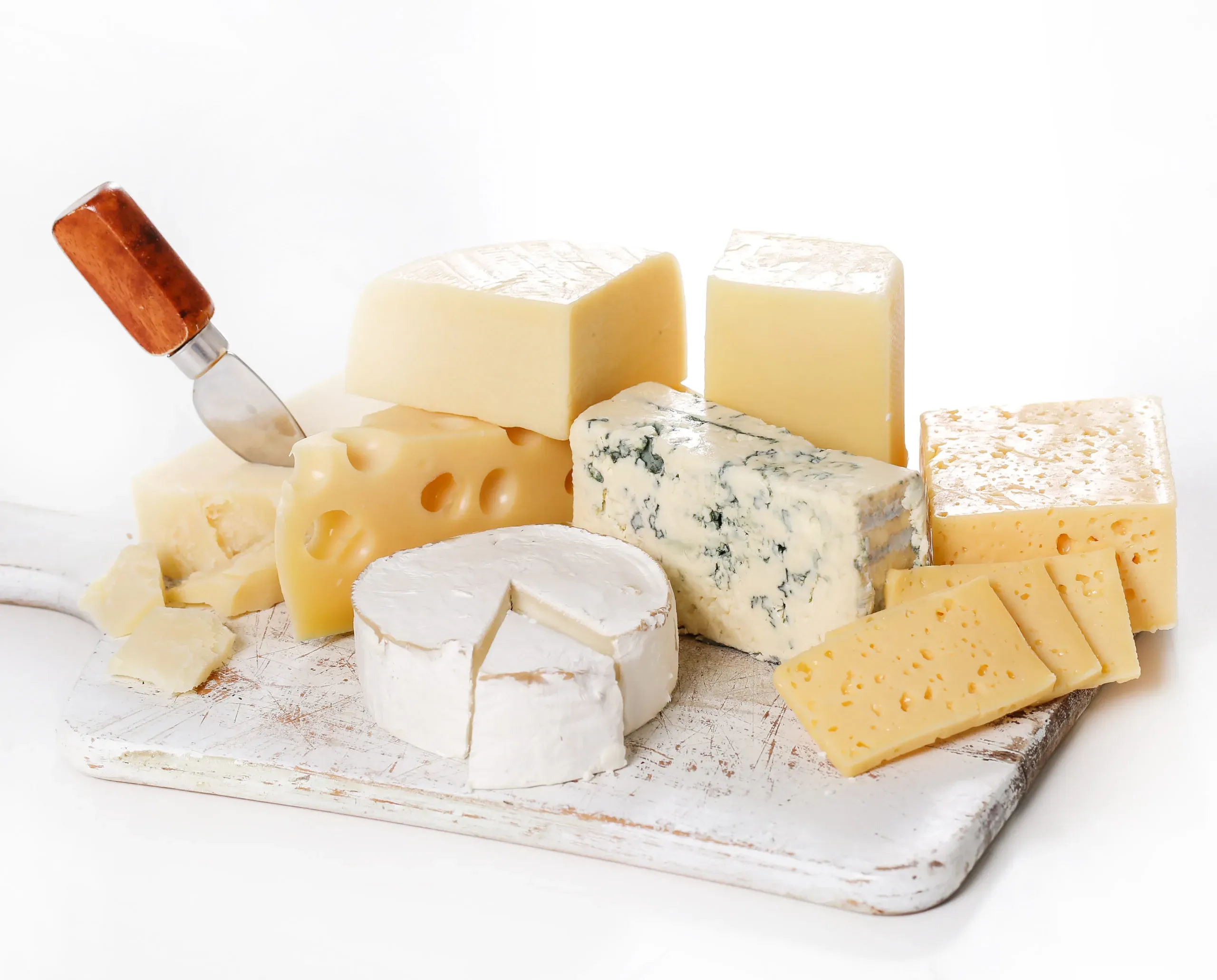
Cheese is believed to have graced our tables since the Neolithic era—quite a long history! Over the centuries, it has become an essential part of any healthy diet. Experts recommend between 2 and 5 servings of dairy a day, with cheese being one of the richest sources of calcium. For this reason, in Spain, an average of 7 kg of cheese is consumed annually. In this article, we introduce you to the 6 best Italian cheeses you can find on Rossini's menu.
Gorgonzola
A cheese made from cow's milk, with a soft and creamy texture. Its distinctive green veins give it an intense flavor, with a spicy aftertaste. Like all blue cheeses, its production involves the incorporation of bacteria. It is commonly used to prepare sauces, spread on bread, or as a topping for pizzas.
- Nutritional information: High in minerals and vitamins A, B1, B2, B6, and B12. A great source of fats and proteins.
- Origin: Gorgonzola (a village near Milan).
- Pairing: Sweet wines like Sherry or Port.
Parmigiano Reggiano
A staple of Italian cuisine, this cheese is artisanally made from cow's milk, water, and salt. The aging process can take between 1 and 3 years. It has a crumbly texture and an intense flavor. It is used grated, in flakes, for sauces, or as an appetizer.
- Nutritional information: Very high in proteins, lipids, calcium, and phosphorus. Ideal for healthy muscle and bone growth. It is one of the cheeses with the lowest fat content.
- Origin: Province of Parma.
- Pairing: Ideal with red wine or even brut sparkling wines (like Prosecco).
Mozzarella
Mozzarella is made from buffalo milk. It is a versatile cheese used in various recipes such as pizzas, salads, and pasta. It stands out for its elastic texture and mild, milky flavor.
- Nutritional information: Low in fat and rich in proteins. Contains vitamins B1, B2, B6, A, D, and E, and calcium.
- Origin: Campania region.
- Pairing: Young, fresh, and aromatic white wine.
Burrata
Burrata is often confused with mozzarella. The difference lies in the texture and origin. Mozzarella is a tender but solid cheese. In contrast, burrata has a solid exterior but a liquid interior filled with cream, known as “stracciatella.”
- Nutritional information: High in fat and protein, rich in vitamins A and D, potassium, and calcium.
- Origin: Puglia region.
- Pairing: Pairs well with red wine from the same region, such as Chianti.
Ricotta
Ricotta is made from either cow’s or sheep’s milk. It has a distinctive granular and soft texture with a very mild flavor. It is ideal for desserts or as a filling for fresh pasta like ravioli.
- Nutritional information: Low in fat and high in protein due to its animal origin.
- Origin: Believed to have originated in Sicily or Rome.
- Pairing: Perfect with a full-bodied white wine with acidic notes.
Mascarpone
Mascarpone is made from cow’s milk or buffalo milk. It is a creamy cheese with a delicate, sweet flavor and a slight tang. Its production is very similar to that of yogurt. It is the main ingredient in the most famous Italian dessert, tiramisu, and is also used for cheesecakes.
- Nutritional information: Highly caloric, rich in fats, proteins, vitamin B, potassium, iron, etc.
- Origin: Lombardy.
- Pairing: A good sparkling wine to cap off your meal.
Check out our menu to see the different Italian cheeses available in Rossini’s kitchen. Which one is your favorite?
