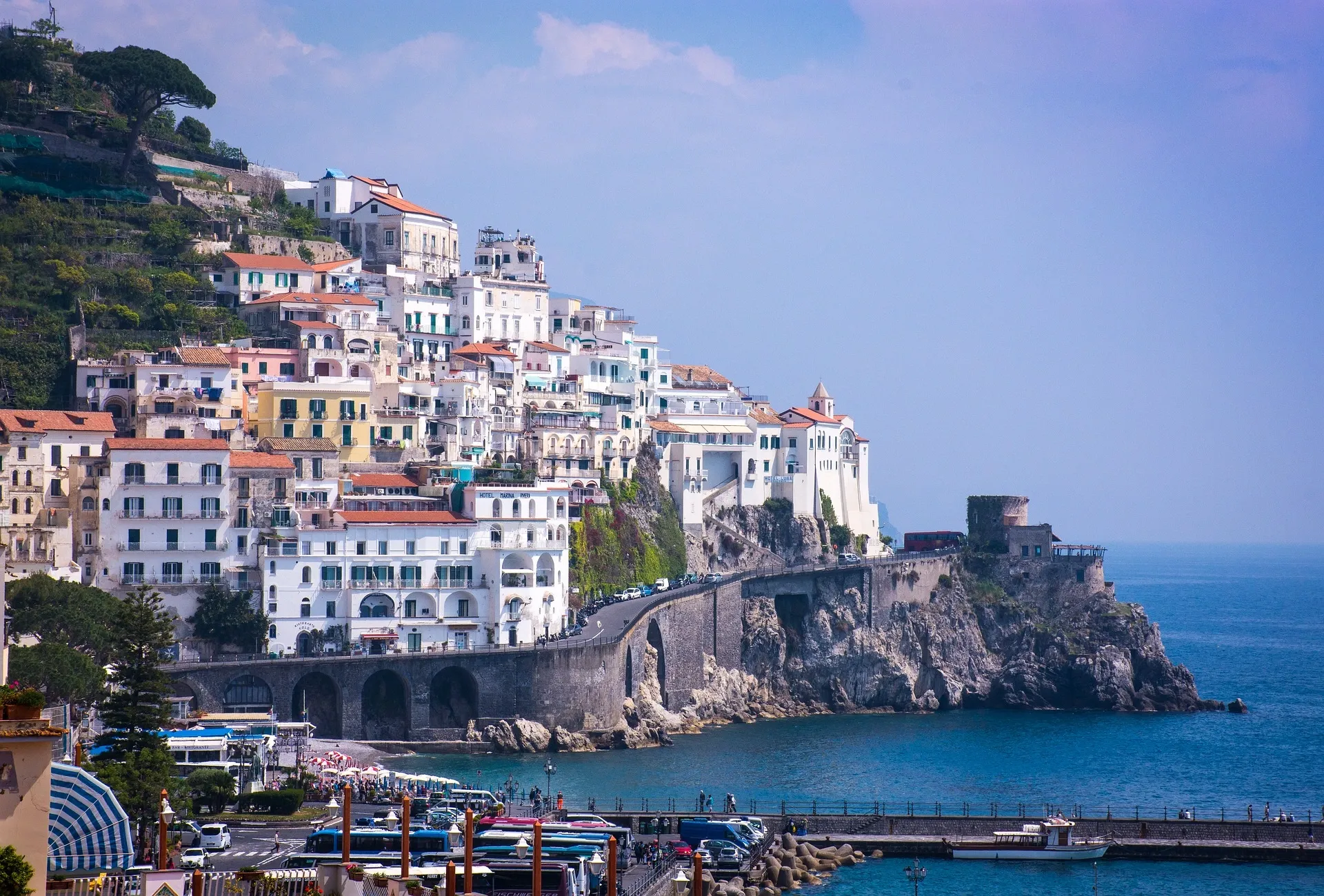
Campania: History, Gastronomy, and Curiosities
Campania is one of the most visited regions in Italy, renowned for its rich cultural, gastronomic, and social heritage. This region is a treasure trove of historical landmarks, from the rise of the Roman Empire to the Renaissance and the foundation of colonial empires. Many significant historical events took place here, particularly in cities like Naples. Today, Campania is one of the regions with the highest number of UNESCO World Heritage Sites.
Join us as we take a journey through Campania to discover 6 things you didn’t know about this region and its prized gastronomy, highly regarded by Italian food lovers and gourmets.
Why Is It Called Campania?
The name Campania comes from the Latin word “campus”, which means “field.” The Romans founded this region in the 8th century BCE, naming it “Campania felix”, meaning “fortunate field,” due to its fertile lands, wealth, and importance as a maritime trade hub. Before Roman conquest, Greek settlers and Italic tribes like the Samnites inhabited the region, and the Samnites' coat of arms is now the official flag of Campania.
A Land of Volcanoes, Greeks, Romans, and Normans
Originally, the Greeks founded cities like Pithecusae (Ischia), Kymai (Cumae), and Neapolis (Naples). After the Roman conquest, cities like Pompeii and Herculaneum were buried by the eruption of Mount Vesuvius in 79 CE. Campania also boasts well-known volcanoes such as Vesuvius, Mount Epomeo, and Roccamonfina, surrounded by extinct volcanoes.
Today, these areas are important archaeological sites that preserve intact remnants of Roman culture. After the fall of the Roman Empire, the Normans settled in the region during the 11th century, leaving their influence as well.
Greek Legacy
Many cities in Campania were founded by Greek settlers, such as Posidonia (later renamed Paestum), which hosted Doric temples dedicated to Greek deities like Hera and Poseidon. While wars and volcanic activity have damaged many sites, ruins of temples, theaters, and amphitheaters still remain.
The Traditional Cuisine of Campania
Campania’s gastronomy combines traditional Italian pasta dishes with specialties from the sea and land, enriched by its strong wine and agricultural heritage. Notable products include:
- Buffalo Mozzarella: A cheese made from water buffalo milk, introduced by the Normans. Creamy and with a rich almond flavor.
- Limoncello: A citrus liqueur made from lemons, perfect as a digestif.
- Caprese Salad: A mix of mozzarella, tomato, and basil, originating from Capri. A classic antipasti dish.
- Pasta: Varieties such as scialatielli, tagliatelle, and cavatelli, crafted in the coastal town of Amalfi.
- Pizzas: Iconic recipes like Margherita, Marinara, and Neapolitan pizzas originated in Naples.
- Desserts: Treats like babà, struffoli, and mustaccioli, traditional to the region.
An Unusual Island
Near the Amalfi Coast lies Gallo Lungo Island, which has a distinctive dolphin shape. This private property is equipped to host VIP guests with all necessary facilities. Romans believed the island was inhabited by sirens, but in reality, it has hosted notable figures like Princess Margaret and actresses Greta Garbo and Ingrid Bergman.
The Legend of "Lacryma Christi"
Lacryma Christi is a popular wine made from special Campanian grapes like Verdeca and Coda di Volpe. According to legend, these grapes originated from the tears of God as He mourned Lucifer’s betrayal. The fall of paradise supposedly created Mount Vesuvius, and the tears shed at its base turned into these unique grapes. This tale is also linked to the myths surrounding Bacchus, the Roman god of wine.
Enjoy Italian Gastronomy in Barcelona
To experience authentic Italian gastronomy, you don’t need to travel far. At Rossini, our restaurant located in Barcelona’s Plaza Real, you can enjoy the best traditional dishes from Campania and all of Italy.
