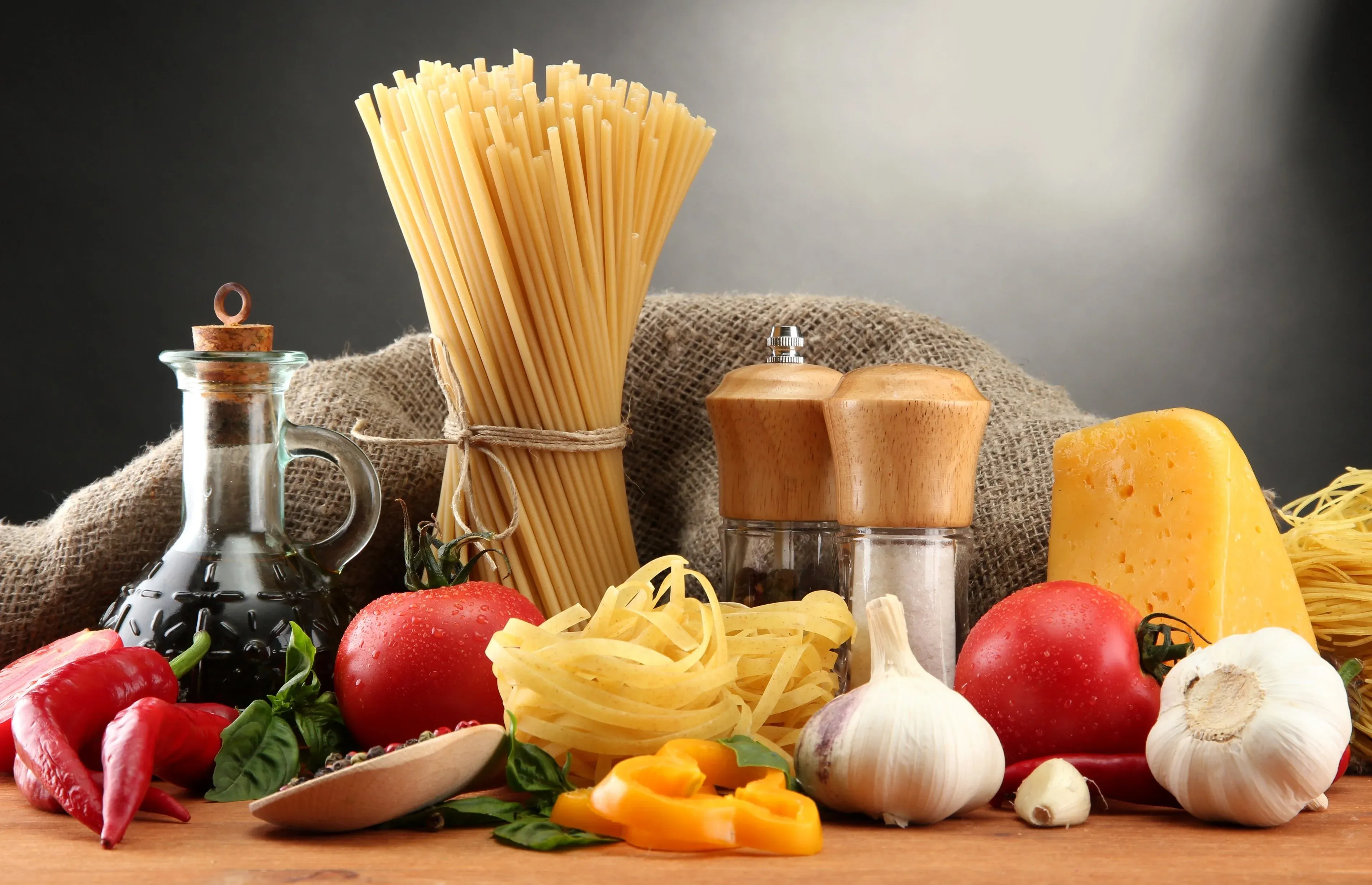
The Essence of Italian Cuisine
Italian cuisine is essentially a representation of authentic Mediterranean gastronomy, a combination of sensations and flavours that, like Spanish cuisine, ignites passion in all those who venture into the culture of good food and drink. A legacy that, since the classical era, has been passed down through diverse recipes we still prepare today, such as hamburgers, cheesecake, pizzas, and cream. Although we previously discussed the differences between Italian and Spanish cuisine, today we’ll highlight some of the most intriguing curiosities about Italian cuisine that no true gourmet should miss.
The Importance of Sauces
In some regional Italian cuisines, such as Tuscan, Neapolitan, or Campanian, various sauces are used to prepare their most famous pasta, meat, vegetable, and seafood dishes, including bolognese, carbonara, napolitana, pesto, and arrabiata. These sauces are essential condiments that enhance flavours ranging from spicy and mild to sweet and bitter. They are often prepared with typical regional ingredients, showcasing the contrasts found throughout Italy, as seen below:
- Canederli: Small bread dumplings mixed with ingredients such as speck, cheese, milk, and chives.
- Polenta concia: A traditional dish from northern Italy made with cornmeal and water.
- Orecchiette alle cime di rapa: A hallmark of Apulian cuisine featuring durum wheat pasta, vegetables, extra virgin olive oil, and sometimes eggs.
- Amatriciana: Originating in Amatrice, this sauce includes guanciale (pork cheek) sautéed and fried in dry white wine, tomato, and a generous sprinkle of pecorino romano cheese.
Simplicity is the Key to Culinary Brilliance
In many countries, including Spain, chefs often adapt simple recipes by adding extra ingredients to enhance the dish’s concept. However, this can sometimes overshadow the elegance of the original recipe or mask its flavour. Conversely, traditional Italian restaurants and trattorias prioritise simpler dishes like pizza margherita, valuing quality over quantity and avoiding excessive ingredients.
This is why the most consumed dishes in Italy are often the least elaborate, particularly when it comes to the extensive variety of pizzas.
3 Myths About Italian Cuisine
- Not all Italian pastas need to include cheese; they are often prepared with other sauces or ingredients.
- Italian gastronomy is not limited to pizza or pasta. It also includes dishes with meat, fish, and vegetables. Italians typically enjoy a varied diet.
- Contrary to popular belief, Italian pizzas did not originate in Naples or derive from Neapolitan pizza. Instead, they trace back to a Roman dish known as “burina.”
The Secret of Italian Desserts
Sweets like tiramisu, panna cotta, and profiteroles are some of the most cherished delicacies for those with a sweet tooth, traditionally enjoyed (similar to Spain) during the holiday season. However, the most prized desserts feature a key ingredient: Italian cream, which is essential in pastry making, especially for cakes and tarts. Some iconic desserts include crema carsolina, zuccotto, sfogliatelle, and gelato.
Good Pasta is the Result of Good Preparation
The most treasured secret of Italian gastronomy lies in preparing excellent pasta that is pleasing to the palate and maximises the quality of the dish by absorbing ingredients like sauces, seafood, and meat. The key lies in mastering the cooking process. While many recommend adding oil or salt to prevent the pasta from sticking, this can irreparably alter it.
The proper way to prepare good pasta is to first prepare the sauce and allow the pasta to boil in its pure state, avoiding unnecessary ingredients that could alter its composition while respecting its cooking times.
And Finally…
Don’t miss the greatest secret of Italian cuisine at our restaurant, Rossini.
