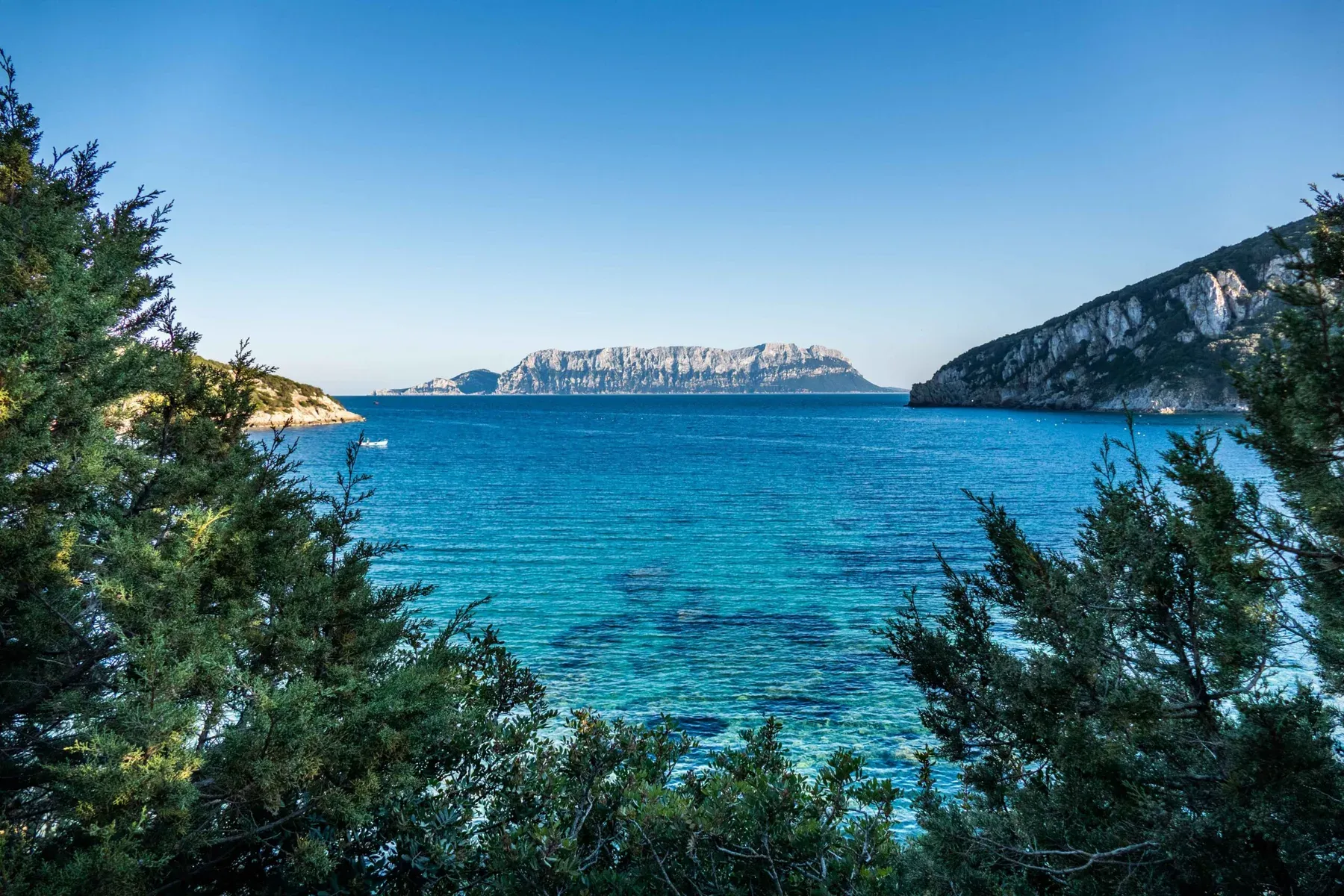
Sardinia: A Gem of the Italian Coast
The region of Sardinia is one of the richest natural provinces on the Italian coast. With over 2,000 kilometres of coastline and a history passionately tied to Mediterranean culture, the island offers a variety of landscapes, beaches, and archaeological sites that exemplify the cultural wealth of the classical era and its resources. A true paradise of sensations to explore “alla italiana” with surprising curiosities and secrets to discover, which we’ll delve into below. Are you ready for the journey?
The Beauty of the Emerald Coast
The Emerald Coast ("Costa Smeralda") is Sardinia's most famous area. With over 30 km² of beaches, it is one of the island’s most popular destinations, especially loved by surfers. Its fine sand, crystal-clear waters, and mild climate create the perfect setting to unwind or enjoy a great holiday.
Celebrities such as Jack Nicholson, Bruce Willis, and George Clooney have fallen in love with the island's charm and beaches. It’s not uncommon to see high-class visitors celebrating special occasions on their yachts anchored along the coast.
As a curiosity, in the 1960s, the billionaire Aga Khan IV discovered the island by accident during one of his Mediterranean voyages. As an investor, he decided to build a luxury complex in Sardinia for his friends, attracting the world’s wealthiest individuals.
The Unknown Legacy of the Nuragic People
The Nuragic culture is one of the extinct prehistoric civilisations that originally inhabited Sardinia. They were known for being great artists and stone builders. Examples of their extraordinary talent can be found throughout the island, including funerary monuments, fortresses, houses, and silos made of stone.
Their most famous work is the Su Nuraxi di Barumini stone fortress, a military fortification carved into rock and remarkably well-preserved. It was declared a UNESCO World Heritage Site in 2005.
The Nuragic people traded with the Carthaginians, Phoenicians, and Romans, adapting their customs and techniques until they were conquered by Rome in 218 BC. They were skilled navigators organised as a theocratic society focused on metallurgy and warfare.
Following the Footsteps of the Crown of Aragon
During the Middle Ages, after an intense war between the Republic of Pisa and the Crown of Aragon, Sardinia was invaded by the Aragonese in 1323. This conquest was crucial due to the importance of its mining deposits and its strategic position in the Mediterranean.
Towns such as Alghero were annexed to the Crown of Aragon, and new settlements began to emerge the same year. The culture of the conquerors left its mark on the language, gastronomy, and fortified cities.
Later, due to internal disputes between the Crown of Aragon and the Spanish Crown, the island passed between German, French, and Italian rulers until Italy’s unification in 1950.
Traditional Sardinian Dishes
- Spaghetti with sea urchins: A specialty of Sardinian cuisine featuring sea urchins and anemones as key ingredients.
- Bottarga: Salted mullet roe, traditionally served as a pasta topping or appetiser.
- Seadas: A typical dessert made with semolina pastry filled with cheese and lemon, fried, and topped with sugar or honey.
- Porcetto arrosto: Similar to suckling pig, seasoned with typical island herbs and spices such as bay leaf, fennel, rosemary, or thyme.
- Culurgiones: Pasta filled with meat or fish, similar to ravioli, made without eggs. It resembles traditional Japanese gyozas.
- Aperol Spritz: The region’s most popular cocktail, highly recommended during the summer.
As a curiosity, the island promotes educational initiatives like "Come Mai", encouraging tourists to learn Italian and explore local Sardinian gastronomy.
The Trenino Verde of Sardinia
One of Sardinia's most iconic tourist attractions is the Trenino Verde. This tourist train runs over 438 kilometres, passing through diverse landscapes, towns, and major cities on the island. The journey is a highly recommended experience to explore Sardinia’s scenic richness, crossing forests, vineyards, lakes, mountains, and beaches along five different itineraries.
Throughout the year, Sardinia’s and Corsica’s beaches are frequented by surfers, especially on the Sinis Peninsula, adding another attraction for adventure enthusiasts.
